Android L is here, and it's brought a raft of new changes, with Sundar Pichai, head of Android, proclaiming it to be one of the biggest upgrades to Android yet.
It's going to have a radical new design, 5000 new APIs, has been made available for developers and it's going beyond the mobile form factor. Android L will be contextually aware of its surrounding, plus voice is going to be a major input source.
Release Date:
For the rest of the folk in the world, it's coming 'this fall', which means that this is very much a preview to appease those that want to get cracking on development, and launching it at Google IO makes sense.
This also means that as Android L readies itself for a consumer launch we'll find out more about whether it's Android 5, Android 4.5 and which dessert name it will have... we're certain there's one coming.
Android L release dateThe new version of Android is a few months away
Interface

The new Material Design is strange in that it bucks a trend at the moment but it's heavily based on making every animation, every ripple, every shadow look real, which is something that most brands are shying away from.It's meant to look both flat and 3D.The whole interface is updated and improved
Every animation on screen will be allowed to connect to one another.The home, back and multi-tasking window buttons on Android have been refined too, and overall, this is a massive step forward for a cleaner, more intuitive-looking version of Google's mobile platform.
Notifications and lock screen
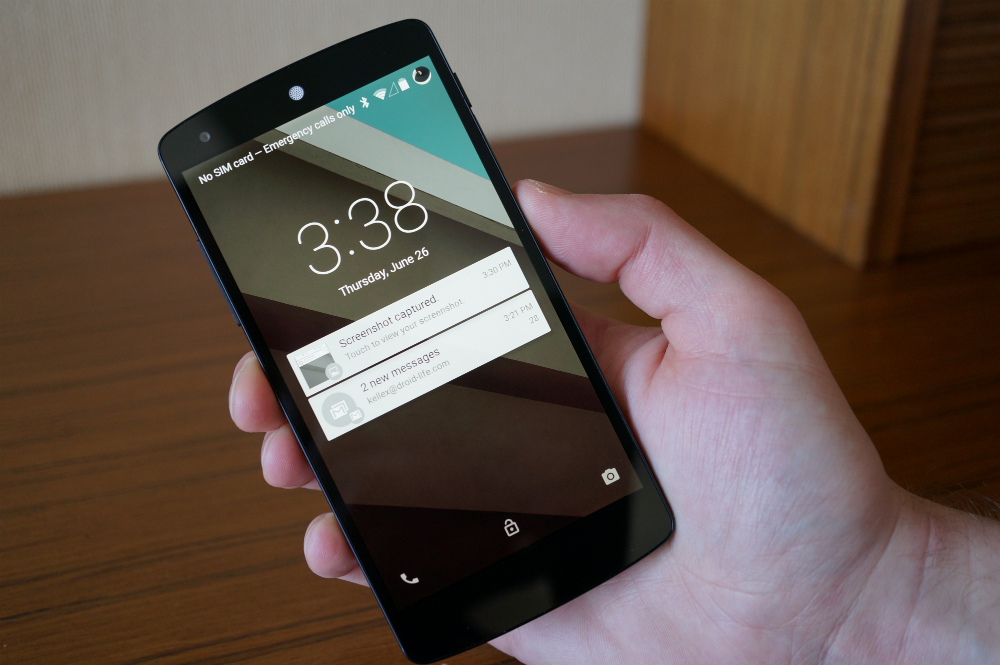
Notifications on Android L are getting an overhaul, so only the more relevant information about your apps is being presented. The notification panel is being merged with the lockscreen so you can see what's going on as you pick up the phone, and a simple swipe up takes you into the phone Android L will also learn from you, working out what you look at and interact with more often to prioritise that notification.
Another big change is that notifications will flow over the screen at the top - get a call when you're playing a game and it will pop up at the top, asking if you want to take it. This will likely be the same with messages etc too, meaning less intrusion at the wrong times.
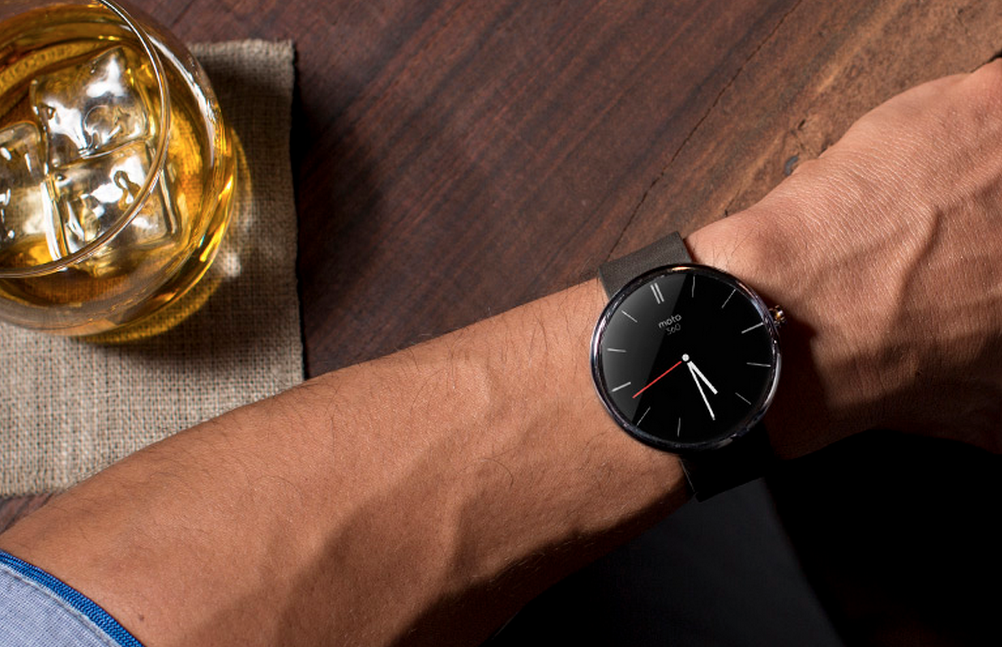
The lockscreen is getting smarter too - if you've got a specific location set up, or are wearing a Bluetooth device, the phone will recognise you and unlock without a PIN. Move away or take your watch off and you'll need to tap or swipe in a code when you unlock - or you can even use your voice.
Efficiency

Whilst Android comes with some nifty new features that make an immediate visual impact, Google has put a lot of work in behind the scenes to ensure that Android L is the fastest yet.
ART, an optional runtime in Android KitKat, has now been made the standard for Android L and works with ARM, x86 and MIPS platforms and runs twice as fast as the Dalvik runtime that is found on previous Android iterations.
ART is also more memory efficient than Dalvik meaning that apps that are running in the background will benefit from megabytes of saved data. ART is also 64-bit compatible allowing Android L to benefit from the larger number registers, cross platform support and the increased RAM support that 64-bit architecture supports. Android L also allows mobile devices to further close the gap not only between mobile and console-quality gaming, but also between mobile and PC graphics.
Android L battery life

Batteries on phones running Android L are going to become more efficient with what Google calls Project Volta, It opens up the battery use to developers so they can see what's ruining the experience, which should in turn help plug the gaps in power leakage Battery Saver mode is integrated by default too, which can lengthen your use during the day by up to 90 mins.